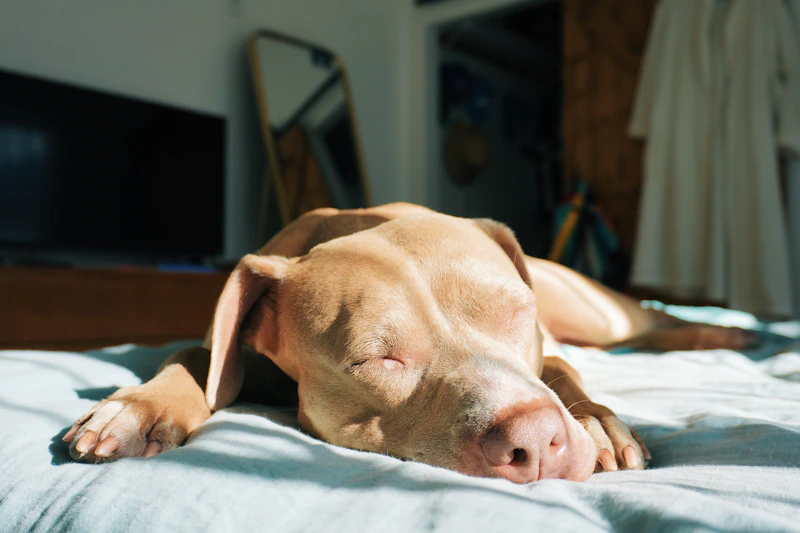
Caring for an aging dog means making some thoughtful adjustments to support their comfort, mobility, and health. A well-stocked senior dog essentials checklist helps you anticipate your senior dog's unique needs and improve their quality of life. From orthopedic bedding and supportive harnesses to proper grooming tools and food containers, these items offer practical solutions for everyday challenges senior dogs face. If you’re looking for a detailed, actionable checklist for senior dog care supplies, this guide covers everything you need to keep your canine companion happy, safe, and active during their golden years.
Why Do Senior Dogs Need Special Supplies?
Dogs typically enter their senior years anywhere from age 7 to 10, depending on size and breed. Just as older humans benefit from different support than the young, what senior dogs need starts to shift with age. Issues like joint pain, dental problems, reduced vision and hearing, and decreased mobility are common. Having the right old dog gear list on hand not only addresses these issues, it makes daily life easier for both you and your dog.
Comprehensive Senior Dog Essentials Checklist
Below you'll find a practical breakdown of senior dog care supplies by category, plus tips for choosing the right products based on your dog's size and health.
1. Orthopedic and Supportive Dog Beds
- Orthopedic Mattress: These beds help cushion joints and reduce pain for dogs with arthritis or hip dysplasia. Memory foam is especially effective.
- Waterproof & Washable Covers: Incontinence can be a concern; machine-washable, waterproof covers simplify cleanup.
- Bolster Sides: Offer head and neck support, plus a sense of security.
For large and arthritic dogs, specialized products—like those covered in our Best Dog Beds for Large Dogs and Best Dog Beds for Arthritic Dogs guides—are specially designed to deliver optimal comfort.
2. Support Harnesses and Lifting Aids
- Full Body Harnesses: Provide handling support for stairs, vehicles, or slippery floors.
- Rear-end Slings: Useful for dogs with hind-leg weakness.
- Easy-Grip Handles: Ensure a firm hold while helping your dog move safely.
If your dog struggles with mobility, check out Best Support Harnesses for Senior Dogs for guidance in selecting the right support gear.
3. Ramps and Stairs
- Portable Ramps: Essential for getting into cars or onto furniture without jumping, which may strain joints.
- Non-slip Steps: Great for beds, couches, or porches.
- Textured Surfaces: Prevent slips and add confidence for tentative paws.
When mobility becomes more of a challenge, review our recommendations on Best Orthopedic Ramps for Senior Dogs to make transitions smoother.
4. Elevated Feeders and Water Bowls
- Raised Feeders: Minimize neck, back, and joint strain while eating or drinking.
- Non-tip Bowls: Stable bases help prevent messes.
- Easy-Clean Design: Ensures daily hygiene, important for older immune systems.
Learn more about selecting the proper feeding station by visiting Best Elevated Feeders for Senior Dogs.
5. Temperature Regulation
- Cooling Beds: Keep senior dogs comfortable in hot weather (senior dogs often struggle regulating body temp).
- Warm Blankets: Old dogs are prone to chills, so cozy blankets or heated pads help may be appreciated.
If you live in a warmer climate, our roundup of the Best Cooling Dog Beds for Summer can help you find the ideal sleeping spot.
6. Grooming and Hygienic Supplies
- Soft-bristle Brushes: Gentle on sensitive skin and thinning fur.
- Paw Wipes: For easy foot cleaning between deeper weekly baths.
- Nail Clippers with Safety Guard: Frequent trims are needed as activity decreases.
- Hypoallergenic Shampoos: Formulated for delicate or irritated skin.
- Pet-safe Unscented Wipes: Spot clean messes or accidents with less stress than frequent full baths.
7. Joint Health Supplements and Chews
- Glucosamine & Chondroitin: Common supplements in chew or tablet form to support cartilage and mobility.
- Omega Fatty Acids: Often included for anti-inflammatory benefits.
Always consult your veterinarian before introducing new supplements or dietary changes.
8. Appropriate Toys and Enrichment
- Soft, Pliable Toys: Gentle on aging teeth and gums.
- Treat-dispensing Puzzle Toys: Encourages mental stimulation and foraging without overexertion.
- Snuffle Mats: Supports natural sniffing behaviors at a comfortable pace.
9. Dental Care Aids
- Finger Brushes: Easier to maneuver in smaller, sensitive mouths.
- Dental Rinses or Water Additives: For dogs reluctant about brushing.
- Dental Chews: Soft enough for old teeth, but still help reduce tartar and freshen breath.
10. Easy-Access Collars and Leashes
- Padded Harnesses: Distribute pressure to avoid neck or throat injuries.
- Short, Slip-resistant Leashes: Best for dogs that are slower or may have balance issues.
- ID Tags: Always keep current info in case your dog wanders (cognitive changes or hearing loss can affect response to commands).
11. Incontinence and Clean-up Products
- Dog Diapers or Belly Bands: For dogs with urinary incontinence.
- Washable Pee Pads: Eco-friendly for frequent cleanups inside.
- Odor-neutralizing Sprays: Keep your home clean and fresh.
12. Visibility and Safety Gear
- LED Collars or Harnesses: Helpful for evening walks, especially if vision is declining.
- Reflective Clothing: Ensures visibility on nighttime outings.
13. First Aid and Emergency Supplies
- Senior-specific First Aid Kit: Include wound care, bandages, and products recommended by your vet.
- Copy of Medical Records: Quick reference during emergencies or veterinary visits.
14. Comfort and Calming Aids
- Anxiety Wraps: Help reduce restlessness or separation anxiety in older dogs.
- Soothing Sprays: Use pheromones for a gentle calming effect at home or during travel.
Sizing Guide and Tips for Choosing Senior Dog Gear
Sizing and features matter even more as dogs get older. Here’s a handy checklist to help you find the right fit and functionality:
- Measure Your Dog: Take accurate measurements of weight, height, and body length to choose beds, harnesses, and wearables.
- Consider Health Issues: If your senior dog has mobility issues, arthritis, or incontinence concerns, prioritize supportive and easy-clean designs.
- Test for Accessibility: Your dog should be able to enter beds, bowls, and vehicles without needing to jump or twist sharply.
- Ease of Cleaning: Prioritize machine-washable or wipe-down materials for any senior dog care gear.
- Avoid Slippery Surfaces: Mats or carpets near beds, bowls, and favorite resting areas reduce the risk of falls.
Signs It’s Time to Update Your Senior Dog Essentials
As your dog ages, their needs can change suddenly. Watch for the following signs that your current old dog gear list might need a refresh:
- Difficulty rising from or lying down in their current bed
- Struggling to jump onto furniture or into cars
- Stiffness or limping after activity
- Frequent spills at the food or water bowl
- Increased accidents in the house
- Reluctance to go for walks or interest in toys fades
Updating your senior dog essentials checklist as your pet’s abilities evolve ensures you’re always delivering the best care possible.
Creating a Senior-Friendly Home: Practical Adjustments
Modifying your home can support your old dog’s comfort and independence. Here are some realistic ideas:
- Lay Down Non-slip Rugs: Add traction in hallways and near food and water areas.
- Reduce Obstacles: Clear high-traffic paths and avoid furniture rearrangement to prevent disorientation.
- Easy-Access Rest Spots: Place beds in multiple rooms so your senior dog doesn’t need to travel far to rest.
- Install Ramps: Use ramps for vehicles and entry steps, ensuring they have sturdy, non-slip surfaces.
- Provide Low-light Night Lights: Help dogs with declining vision navigate at dusk or at night.
- Block Off Unsafe Areas: Use pet gates to prevent falls on steep stairs or block access to areas where your dog could get stuck.
Addressing Lifestyle and Routine Adjustments
Essentials go beyond products. Adapting your lifestyle and routine can further support your senior dog’s well-being:
- Frequent Short Walks: Lower intensity but regular exercise aids mobility and mental health.
- Scheduled Potty Breaks: Encourage regular elimination to reduce accidents—older dogs often can’t hold their bladder or bowels as long as before.
- Gentle Playtime: Keep your dog mentally stimulated with easy, low-impact games.
- Extra Patience: Older dogs may take longer to respond due to hearing, vision, or cognitive changes.
- Monitor Closely: Watch for behavioral shifts, which can signal pain, discomfort, or cognitive decline.
Combining these senior dog care practices with the right products from your essentials checklist creates a calmer environment and helps prevent accidents or injuries.
Old Dog Gear List: What to Prioritize First?
The world of senior pet products is vast, and it's easy to get overwhelmed. For most owners, these are the must-haves to start with:
- Orthopedic Bed: Foundational comfort for any rest period.
- Support Harness: Essential for walks and bathroom trips if there is any mobility trouble.
- Elevated Feeder: Makes mealtimes less strenuous.
- Ramp or Steps: Prevents injury getting onto beds, couches, or in and out of the car.
- Soft-bristle Grooming Tools: Keeps skin healthy as fur thins or matts more easily.
Review this shortlist when building your senior dog essentials checklist, then add or upgrade other items based on your dog's changing requirements.
Budget and Rotation Tips for Senior Dog Care Supplies
While some senior dog supplies are one-time purchases (like a quality bed or ramp), others will need replenishing (diapers, wipes, supplements). Prioritize the essentials your dog uses daily for the highest value. For less urgent gear, consider rotating enrichment toys, grooming tools, or comfort accessories to see what your dog prefers before buying multiples.
- Test new items one at a time: This way you know what truly improves your dog’s comfort or mood.
- Keep a monthly checklist: Track what needs refilling or adjusting as your dog’s age advances.
- Look for multipacks or subscription deals (where appropriate): For disposable items like wipes and diapers.
Common Mistakes to Avoid When Outfitting Senior Dogs
- Buying for Youthful Needs: Many owners overlook their dog's new limitations and keep using the same gear meant for young, active dogs.
- Underestimating Safety Hazards: Slippery floors, unsecured furniture, or sharp corners become bigger risks with age.
- Not Updating Gear Regularly: A harness or bed that fit perfectly last year may now need a different size or additional padding.
- Forgetting About Mental Enrichment: As physical activity decreases, mental stimulation must continue to prevent cognitive decline.
- Neglecting Incontinence Supplies: Early preparation for the possibility saves stress and maintains your dog's dignity.
Frequently Asked Questions
How old is a dog when it’s considered a senior?
Dogs typically become seniors around 7 years of age for larger breeds, and about 10 years or older for smaller breeds. However, genetics and health play a big role, so you may notice signs of aging earlier or later depending on your individual dog.
Should I buy everything on a senior dog essentials checklist?
Not every product is needed for every dog. Start with essentials that address your dog's current comfort and mobility needs, and add new items as they become relevant. Regularly reassess your senior dog care supplies as their health or abilities change.
How often should I reevaluate my senior dog's gear?
At least every 6-12 months, or sooner if you notice changes such as difficulty getting up, eating, or walking. Dogs’ needs can change quickly with age, so regular checks will help keep them comfortable.
What are critical signs my senior dog needs new gear?
Signs include slipping when walking, trouble standing or lying down, obvious joint pain, refusing to use stairs or the car, eating or drinking less, or frequent potty accidents. Addressing these early helps prevent further discomfort or injury.
Why is an orthopedic dog bed recommended for seniors?
Orthopedic beds support your dog’s joints and spine, increase comfort, and help reduce pain from arthritis or hip dysplasia. A supportive bed encourages restorative sleep and can greatly improve mobility for aging pets.
How can I make my home safer for my senior dog?
Ensure floors have traction, provide ramps over steps or furniture, keep favorite beds and bowls easily accessible, remove clutter, and improve lighting for dogs with vision loss. Safety adjustments can help maintain your dog's independence and confidence.