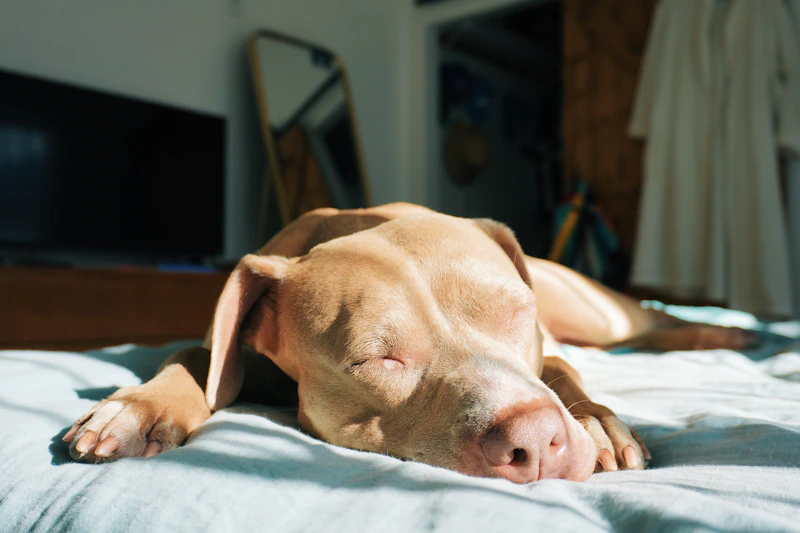
If your older dog struggles to see at night, a thoughtfully chosen night light can help them navigate safely and confidently. The best night light for senior dogs should offer gentle, even illumination without harsh glare, minimize tripping hazards, and help reduce stress for your pet. Whether your dog has generalized vision loss, is partially blind, or simply needs extra guidance from dusk till dawn, picking the right dog night light is a caring step toward supporting their independence and comfort as they age.
Why Senior Dogs Benefit from Night Lights
Aging often brings changes in a dog’s eyesight. Cloudy lenses, diminished depth perception, or total blindness can lead to confusion – especially after sundown. Many senior dogs become anxious or disoriented if they can’t see where they’re going. Common hazards include bumping into walls, tripping over furniture, or struggling to find their bed or water bowl at night.
Installing a night light for blind dogs or pets with low vision supports their ability to move about safely and confidently. This simple home modification can:
- Reduce nighttime anxiety or confusion
- Prevent falls, collisions, or injuries
- Help dogs find essential resources like water, beds, ramps, and exits
- Minimize nighttime restlessness or barking
- Allow aging pets to maintain more independence in familiar surroundings
Signs Your Senior Dog Might Need a Night Light
- Wandering, pacing, or barking at night
- Frequent bumps into furniture or walls after dark
- Difficulty finding their bed, food, or water
- Reluctance to move between rooms at night
- Showing new anxiety when lights are off
If you notice these changes, a low vision dog aid like a gentle night light can make a real difference in their safety and well-being.
Night Light Types for Senior & Blind Dogs
The best dog night light will depend on your home, your dog’s level of vision, and your family’s routine. Here’s an overview of common styles to consider:
Outlet Plug-In Night Lights
These are simple devices that plug directly into a wall outlet. Many offer dusk-to-dawn sensors, turning on automatically when the room darkens. Some basic models provide a fixed, low-intensity glow; others have adjustable brightness or color temperature settings to better suit your dog’s needs.
Battery-Operated LED Pucks
LED push lights or pucks can be placed on the floor, inside dog crates, or along stairs and hallways. They’re good for spaces without convenient outlets and often include adhesive backing or magnetic mounts for flexible placement.
Stick-On or Motion-Activated Lights
Motion-sensing night lights can illuminate only when movement is detected. Some dogs are startled by sudden bursts of light, but for pups who adjust well, these conserve energy and provide guidance only as needed – great for hallways, ramps, or near beds.
Soft Ambient Lamps
Small table or floor lamps with low-watt bulbs can gently illuminate a whole room. Adjustable-lamp options can be pointed away from your dog’s eyes, minimizing glare while still providing enough visibility for safe movement.
Luminous LED Strips
Flexible, adhesive-backed LED strips create a soft glow along baseboards, stairs, or furniture. They’re especially good as a low vision dog aid for creating visible landmarks in a room, and are often programmable for brightness and color warmth.
What to Look for in a Night Light for Senior Dogs
The ideal night light for your senior dog should foster safety without introducing new hazards. Use this checklist when selecting a product:
- Brightness: Look for a light bright enough to illuminate hazards and guide your dog, but not so bright that it disrupts sleep. Soft, warm lights are often the most comfortable for aging eyes.
- Even, Diffused Glow: Avoid harsh beams or pinpoint LEDs that can be blinding, especially for dogs with cataracts or sensitivity. Lights with frosted covers or diffusers are preferable.
- Automatic Operation: Dusk-to-dawn sensors or timers ensure you don’t have to switch the light on and off manually, offering consistent support every night.
- Low Glare and Flicker-Free: Choose LEDs or bulbs designed to minimize flicker and harsh reflections on the floor, which can be confusing or distressing to dogs with poor vision.
- Placement Flexibility: Battery-powered or remote-controlled lights can be positioned near beds, ramps, steps, or in pet-dedicated rooms without relying on outlets.
- Safe Design: Ensure the light is durable, out of chewing reach, and does not have loose cords or sharp edges. Waterproof or water-resistant models are best for use near water bowls or inside crates.
- Energy Efficiency: LEDs are long-lasting and don’t generate heat, making them safer for continuous overnight use.
Choosing Color Temperature
Color temperature refers to how “warm” (yellow/gold) or “cool” (white/blue) a light appears. Warm or neutral white (between 2700K and 3500K) is best for a dog night light, as it creates a calming effect and is gentler on the eyes. Avoid harsh blue-tinted LEDs, especially for senior dogs with sensitive or cloudy eyes.
Where to Place Dog Night Lights
Strategic placement ensures your senior dog gets the most benefit from their night light. Focus on high-traffic and high-risk areas, using several small lights if necessary for large spaces.
- By Your Dog’s Bed: A night light near where your dog sleeps helps them orient themselves and get up safely for water or potty breaks. Read more about selecting beds for large breeds and beds for arthritic dogs for further comfort tips.
- Near Ramps and Stairs: If your home has steps or orthopedic ramps (explore our best ramps for senior dogs guide), make sure these areas are smoothly lit to prevent falls.
- At Doorways and Hallways: Clear paths between rooms, especially those leading to food, water, or the outdoors.
- Around Food and Water Bowls: Illuminate these areas subtly to make them easier to find.
- Exit Points: If your dog needs access to a doggy door or outside for nighttime potty trips, soft lighting helps guide them directly and safely.
Avoid shining lights directly into your dog’s face or eyes. Place lights low to the ground at paw or eye level for the most helpful effect.
Night Light Sizing Guide and Coverage
There’s no one-size-fits-all night light for blind dogs; the size and number you’ll need depends on your space and your dog’s habits. Follow these general guidelines:
- Small Bedrooms or Kitchens (up to 150 sq ft): One plug-in LED or stick-on puck can be enough unless there are multiple obstacles to avoid.
- Large Living Rooms or Open Plans: Use multiple spaced-out lights to avoid dark “islands” in the room. Combination setups (one plug-in plus stick-on strips) often work well.
- Hallways and Long Corridors: Consider evenly spaced stick-on or motion-activated pucks every 6-8 feet.
- Stairwells: Use linear LED strips along the wall, or install one light at the top and bottom steps.
- Dog Crates: A single battery puck or low-output lamp near (not inside) the crate creates a sense of security.
Key Sizing Considerations
- Older, larger dogs might need bolder clues due to their decreased mobility or sight; extra coverage helps reduce wandering and bumping.
- If you use multiple lights, choose ones with similar color temperatures for a uniform look that’s less confusing for your dog.
Additional Tips for Supporting Your Senior Dog at Night
Night lights are one part of a comprehensive approach to caring for senior pets. For best results:
- Keep floors clutter-free, especially on commonly traveled paths at night
- Use rugs or mats to provide tactile cues near important resources (beds, ramps, doors)
- Maintain consistent light locations and avoid rearranging furniture frequently
- Review our senior dog essentials checklist for other supportive products and tips
- Consider pairing lights with extra-soft beds or cooling beds if your dog runs warm
- If needed, use support harnesses for additional stability on nighttime outings
Consistent and gentle illumination, clear pathways, and steady routines all help lessen anxiety and increase safety for low vision dogs.
Comparing Popular Night Light Features
| Feature | Why It Matters for Senior Dogs | Best Type |
|---|---|---|
| Dusk-to-dawn sensor | Automatically provides light exactly when needed without manual adjustment | Plug-in or strip lights |
| Adjustable brightness | Customizes light for your pet’s comfort, avoiding harshness or shadowy spots | Lamps, advanced plug-ins |
| Warm color temperature (2700K-3500K) | Easier on aging eyes, reduces night glare and stress | All types (look for color temp specs) |
| Battery-powered | No risk from cords and can be used anywhere | LED pucks, motion lights |
| Long life LED bulbs | Continuous overnight use without overheating or frequent replacement | All types |
| Frosted/diffused covers | Prevents harsh hot-spots and makes the light gentler on the eyes | Most plug-ins, high-quality pucks |
| Low-profile/flush mounting | Reduces tripping hazard or temptation to chew | Strip lights, stick-ons |
Checklist: Selecting the Best Night Light for Your Dog
- Assess your dog’s path at night (bed - water - door - etc.)
- Decide whether you need steady or motion-activated light
- Measure coverage area: will one light or several work best?
- Choose a warm, diffused light to prevent sharp reflections or shadows
- Pick safe mounting types and avoid cords where possible
- Test different bulb brightness levels; monitor your dog’s comfort and adjust as needed
- Regularly check batteries or bulbs to ensure lights stay operational
Frequently Asked Questions
How bright should a night light be for a senior dog with poor vision?
A night light should be bright enough to reveal key features of the room and possible obstacles, but not so bright that it causes glare or disrupts sleep. Most dogs do best with soft, warm lights in the range of 5-40 lumens.
Are motion-activated night lights a good option for blind dogs?
Motion-activated lights can be helpful for some dogs, especially to conserve energy in low-traffic areas. However, if your dog startles easily or gets anxious with sudden light changes, a steadily-on night light is usually more calming.
Where is the best place to put a night light for a low vision dog?
Key areas include near your dog’s bed, at the top and bottom of stairs or ramps, along frequently traveled halls, and by their food and water bowls. Position the light low to the ground for best guidance and avoid pointing it directly into your dog's eyes.
Can I leave a dog night light on all night?
Yes, most LED night lights are safe to leave on overnight as they use little power and don’t heat up. Just ensure the light does not disturb your dog’s overall sleep quality.
What other products can support a senior dog with poor vision at night?
Consider pairing night lights with orthopedic ramps, supportive harnesses, and non-slip rugs. Consistent furniture arrangement, clear walkways, and specialized dog beds also help enhance nighttime safety and comfort.