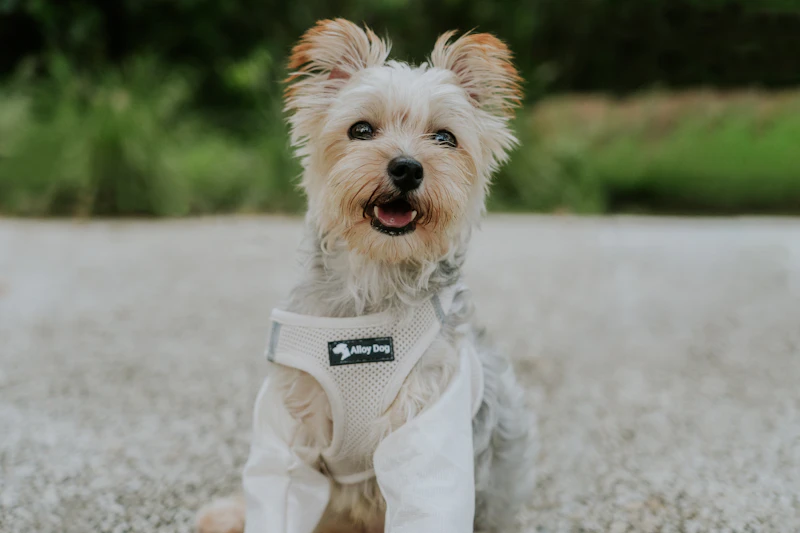
If your dog has a short or thin coat—like a whippet, greyhound, boxer, or pit bull—the right jacket can make walks in chilly weather far more comfortable for them. Short-haired breeds are more vulnerable to cold, wind, and rain, and choosing the best dog jacket for short-haired breeds means understanding their unique needs as well as practical design features that ensure warmth, comfort, and a secure fit. This guide focuses on what to look for, how to size your dog correctly, and key details to help you select the perfect dog coat for short hair during cold months.
Why Short-Haired Breeds Need Dog Jackets
Breeds with short or thin coats lack the insulation that double-coated or heavy-coated breeds have naturally. This makes them more susceptible to hypothermia and general discomfort in colder weather. While your whippet or pit bull may love a brisk walk, they’ll feel the chill much faster than a golden retriever. Cold wind, sleet, or even prolonged dampness can sap their energy and cause stress. The practical solution is a well-fitting winter jacket for thin coat dogs that provides thermal protection without restricting movement or interfering with your routine walks and adventures.
Common Cold-Weather Sensitivities in Short-Haired Breeds
- Rapid loss of body heat (low insulation)
- Skin exposure to windburn and rain
- Discomfort leading to refusal to walk
- Potential for muscle stiffness or joint discomfort
Dog jackets aren’t just a matter of comfort—they can help protect your dog's health, energy, and happiness during winter.
Key Features to Look for in the Best Dog Jacket for Short-Haired Breeds
The perfect dog jacket for a whippet, greyhound, boxer, or pit bull combines warmth, weather resistance, and a secure fit—without excess weight or bulk. Here are the features that matter most:
1. Insulation and Warmth
- Thermal lining: Look for jackets lined with fleece, synthetic insulation, or quilted material for heat retention.
- Coverage: A good jacket should cover the chest, belly, and back, as these areas lose heat quickly.
- Neck and tail coverage: Extended collars and longer backs offer extra protection, especially on whippets and greyhounds whose unique build exposes more of their bodies.
2. Weather Resistance
- Water-resistant or waterproof shell: Essential to keep your dog dry in rain, sleet, and snow.
- Windproof layer: Blocks cold wind from penetrating thin coats.
- Quick-drying materials: For fast cleanup and less chill on damp walks.
3. Fit and Adjustability
- Anatomical design: Especially for breeds with long, deep chests or narrow waists, like whippets and greyhounds.
- Adjustable straps: Look for options with Velcro, buckles, or elastic areas to secure the jacket without chafing.
- Freedom of movement: Leg holes and an ergonomic cut prevent rubbing or interference with running and play.
- Easy on, easy off: Jackets that go on smoothly are less stressful for both dog and owner, especially with energetic or cautious breeds.
4. Visibility and Safety
- Reflective trim or panels: Great for improving nighttime or low-light visibility. For even more visibility, see our roundup of the Best Reflective Dog Vests for Night Walks.
- Leash access: Ensure there’s a harness or collar opening so your leash setup works seamlessly with the jacket.
5. Comfort and Style
- Lightweight but warm: Don’t overburden your dog—look for warmth without bulk.
- Soft lining materials: Avoid stiff or scratchy fabrics that could irritate sensitive skin.
- Machine washable: Makes cleaning much easier after wet or muddy walks.
Sizing Guide: How to Measure Your Short-Haired Dog for a Jacket
Getting the right size is vital for warmth, safety, and mobility. Ill-fitting jackets can slip, chafe, or restrict movement. Here’s how to measure your dog for an optimal fit:
- Length: Measure from the base of your dog’s neck (where the collar sits) to the base of their tail. This is the primary number most jacket brands use.
- Chest (Girth): Measure around the widest part of your dog’s chest, usually just behind the front legs. This is especially important for barrel-chested breeds like boxers and pit bulls, as well as the deep-chested build of whippets and greyhounds.
- Neck: Measure the circumference where the collar sits. Some jackets have adjustable necklines, but for long-necked breeds like whippets, make sure the collar isn’t too tight or too loose.
Always refer to the manufacturer’s size chart, but if your measurements are between sizes, choose the size that matches the girth most closely—especially for athletic, muscular, or deep-chested dogs.
For more detailed sizing instructions, check out our How to Measure Your Dog for a Harness article, as the same sizing principles apply to jackets and coats.
Breed-Specific Fitting Tips
- Whippet & Greyhound: Look for jackets designed for sighthounds—the shape should account for their deep chest and narrow waist, plus a long neck and back for maximum coverage.
- Boxer: Choose coats with adjustable belly and chest straps to accommodate their deep, wide chest and short coat.
- Pit Bull: Go for designs that fit muscular shoulders and a sturdy frame, with good adjustability.
Types of Dog Jackets for Short-Haired Breeds
Not all dog jackets are made alike. Depending on your location, climate, and dog’s activity level, some styles may work better than others. Here are the most popular types for short-haired, cold-sensitive pups:
- Thermal winter jackets: Provide the most insulation with thick linings and robust windproofing.
- Raincoats with light lining: Block wet weather for milder chilly days or rainy climates, while providing light insulation.
- Fleece sweaters: Best for dry, crisp days or as an indoor/outdoor layer for sensitive older dogs.
- Sighthound-specific cuts: Longer in the body and neck, tailored for whippets, greyhounds, and similar breeds.
- Full-coverage coats: Extend over the chest and sometimes legs for extra thermal protection.
How to Choose the Right Dog Coat for Short Hair
Every short-coated dog has slightly different needs, but you can narrow down your options with these selection criteria:
- Weather: Will you use the jacket in heavy snow, pouring rain, or just occasional brisk walks?
- Breed & fit: Does your dog need a specialty sighthound cut, or do they have a boxy, muscular frame?
- Activity level: Will your dog be running and playing, or are you looking for a calm stroll jacket?
- Leash/harness compatibility: Make sure there are leash holes for harnesses or collars, especially if you use an unconventional walking setup. For harness advice, see our Best Harnesses for Small Dogs guide covering harness-versus-collar options.
- Ease of use: Is the jacket easy to put on and take off, even with an excitable dog?
- Visibility and safety: Does the jacket have reflective elements for dusk or night safety?
Comparison Table: Key Features by Breed
| Breed | Body Shape | Must-Have Features | Recommended Jacket Style |
|---|---|---|---|
| Whippet | Deep chest, long back, slender waist | Sighthound cut, extended collar, snug chest fit | Thermal sighthound jacket |
| Greyhound | Very deep chest, lean frame, long neck | Full-length, adjustable belly, windproof, long neck | Full-body sighthound coat |
| Boxer | Broad chest, short coat, muscular build | Wide girth cut, chest and belly adjustability | Insulated jacket with wide straps |
| Pit Bull | Muscular shoulder/chest, tapered waist | Durable fabric, adjustable straps, water resistance | Thermal or rainproof jacket |
Practical Cold-Weather Tips for Short-Haired Breed Owners
- Paw protection matters: Short-haired breeds often also have sensitive paws. Protect them with compatible boots, such as those highlighted in our Best Dog Boots for Snow and Winter Walks guide, or consider a paw balm (Best Dog Paw Balms for Cracked Paws) for cracked pads after walks.
- Watch for chills or shivering: If your dog is shivering, seeks shelter, or refuses to walk, upgrade to a warmer coat.
- Layer if needed: On frigid days, layer a fleece sweater under a waterproof jacket for extra insulation.
- Keep walks short in harsh weather: Even well-jacketed dogs should avoid excessive exposure in extreme cold or wet.
How to Care for and Maintain Dog Jackets
Keeping your dog's jacket in great shape ensures it provides continued warmth and protection throughout the season:
- Follow washing instructions: Machine-washable jackets make cleanup after muddy outings easy. If hand washing is required, use mild detergent and air-dry thoroughly.
- Inspect fastenings regularly: Velcro and buckles can wear out—replace or mend as needed.
- Store dry: Always hang coats to dry after walks in snow or rain to prevent mildew or odor.
- Retire worn-out coats: Replace jackets if the insulation feels flat, seams are coming apart, or fit changes as your dog grows or ages.
Selecting a Dog Jacket for Whippets and Greyhounds
Finding a suitable dog jacket for whippets, greyhounds, and other sighthounds means looking for breed-specific fits. These breeds’ narrow waists and deep chests can cause generic jackets to slip, twist, or leave them exposed. True sighthound jackets are tailored with:
- A deep “drop” in the chest for full coverage
- Longer backs to cover the hindquarters
- Extra neck and sometimes neck “snood” options for wind protection
Don’t settle for a standard dog coat for these breeds unless it’s recommended for sighthound shapes, or you may find your dog’s warmth compromised by gaping, loose fabric or exposed skin.
Checklist: How to Evaluate Any Dog Jacket for Your Short-Haired Breed
- Is the body coverage sufficient for your dog’s length and chest depth?
- Are all straps, buckles, or Velcro patches easy to adjust and comfortable for your dog?
- Is the outer fabric waterproof/windproof for your climate?
- Is there sufficient insulation for winter temperatures in your area?
- Does it include reflective elements for safety?
- Can your dog move freely—including running and playing?
- Is it compatible with your leash or harness arrangement?
Frequently Asked Questions
Does my short-haired dog need a jacket in mild weather?
Short-haired breeds are more vulnerable to cold, but in mild weather (above 50°F/10°C) most healthy adults are fine without a jacket. Puppies, seniors, or dogs with medical conditions may benefit from a light layer at higher temperatures.
How do I know if the jacket fits my dog properly?
Check that the jacket covers from the neck base to just before the tail, fits snugly (not tightly) around the chest, and doesn’t pull or rub the legs or belly. Movement should be unrestricted, and no fastenings should dig into the skin.
Can I use a harness with a dog jacket?
Yes. Most well-designed dog jackets feature an opening for leash attachment, whether you use a collar or harness. You may want to refer to our How to Measure Your Dog for a Harness guide to ensure compatibility with your gear.
What’s the difference between a sighthound coat and regular dog jackets?
Sighthound coats are longer in the back, deeper in the chest, and usually feature an extended neck to suit breeds like whippets and greyhounds. Regular dog jackets often don’t provide enough coverage for their unique build.
Are waterproof and insulated jackets necessary, or should I choose one or the other?
In most cold climates, a jacket should offer both waterproof and insulated properties. For dry but cold winters, thick insulation may suffice, while rainy climates call for a water-resistant shell with enough warmth for your dog’s tolerance.
How do I help my dog adjust to wearing a jacket?
Introduce the jacket gradually. Let your dog sniff or wear it for short periods indoors, offering praise and treats. Make jacket time positive and fun before heading outside for longer walks.