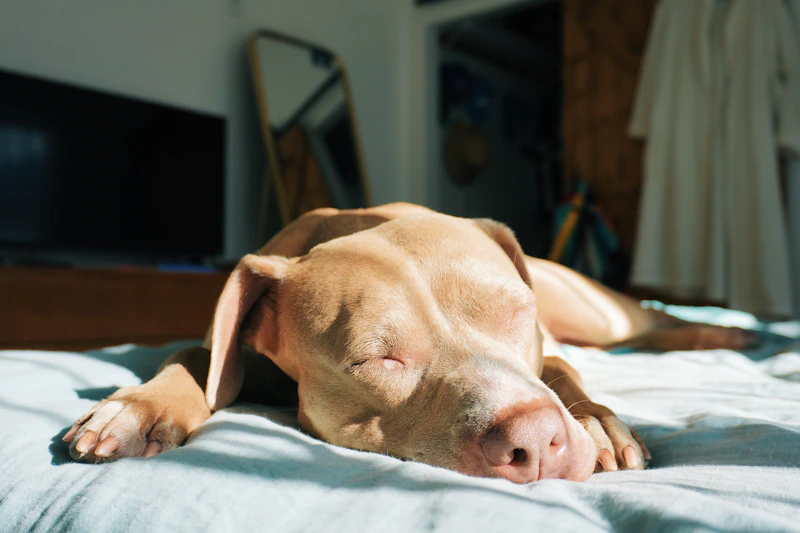
Choosing the right dog bed size can dramatically improve your dog’s comfort, joint health, and even sleep quality. The best dog bed sizing isn’t just about breed averages or a wild guess; it involves measuring your dog, understanding their sleep habits, and considering their unique preferences. This dog bed size guide will walk you through how to measure your dog for a bed, the types of beds available, and how to match products to your dog’s needs, so you make the best choice the first time.
Why Does Dog Bed Size Matter?
Many dog parents think the right dog bed is just about comfort, but it can affect far more than that. A well-fitted bed supports your dog’s joints, maintains proper alignment, and helps prevent pressure sores in older or arthritic dogs. For puppies, an appropriately-sized bed fosters feelings of security, while for large breeds, it prevents spilling off onto the floor. Ill-fitting beds can even discourage dogs from using them. Understanding dog bed sizing is a practical step toward making your dog’s space both useful and inviting.
Benefits of an Appropriately Sized Bed
- Optimized comfort: Supports your dog comfortably in their favorite sleep position.
- Healthier joints: Especially important for seniors or breeds prone to hip/elbow issues.
- Security: Feeling cradled or enclosed can reduce anxiety for shy or younger dogs.
- Hygiene: A proper fit helps keep fur, dirt, and oils contained to the bed.
- Encourages bed use: Dogs will actually use a bed that suits their needs—saving your couch and bed from fur and wear.
How to Measure Your Dog for a Bed
The single most important step in this dog bed size guide is accurately measuring your dog. Here is a step-by-step guide any owner can follow, even with a wiggly pup or an older, stiffer companion.
What You’ll Need
- Flexible soft measuring tape
- Your dog’s favorite treat for cooperation
- Paper and pen or phone to record measurements
Measuring Step-by-Step
-
Measure length: With your dog standing, measure from the tip of their nose to the base of their tail (not the tip of the tail).
- If your dog curls up tightly when sleeping, this will mostly be enough.
- If your dog stretches out, add several extra inches for fully extended legs and head.
- Measure width: With your dog lying down (ideally in their favorite sleeping pose), measure across their widest point—from shoulder to shoulder or hips, depending on their shape.
- Add buffer space: Add 6-12 inches (15-30 cm) to the length for medium and large dogs, and 3-6 inches (7-15 cm) for small dogs. This ensures your dog won’t be cramped and can stretch out comfortably.
Sample Measuring Table
| Dog Type | Basic Measurement | Buffer Added | Final Bed Length Needed |
|---|---|---|---|
| Small Dog (Dachshund) | 22" (56 cm) | +6" (15 cm) | 28" (71 cm) |
| Medium Dog (Beagle) | 27" (69 cm) | +8" (20 cm) | 35" (89 cm) |
| Large Dog (Lab) | 36" (91 cm) | +12" (30 cm) | 48" (122 cm) |
| Extra-Large Dog (Bernese) | 42" (107 cm) | +15" (38 cm) | 57" (145 cm) |
Always round up if your dog is between sizes or tends to stretch out.
Understanding Dog Bed Sizing Labels
If you’ve browsed dog beds, you’ve probably noticed that size labels like Small, Medium, Large, or XL don’t always mean the same thing from one brand to another. Sometimes beds are described in inches/centimeters, sometimes by dog weight, and sometimes only with vague size labels. This can make buying the right size confusing.
Typical Size Ranges (Ballpark)
| Size Label | Approximate Dimensions | Suggested Dog Weight | Common Breeds |
|---|---|---|---|
| Small | 20"–26" (51–66 cm) | Under 20 lbs (9 kg) | Yorkie, Dachshund, Chihuahua |
| Medium | 27"–35" (69–89 cm) | 20–45 lbs (9–20 kg) | Beagle, Cocker Spaniel, Shih Tzu |
| Large | 36"–45" (91–114 cm) | 46–80 lbs (21–36 kg) | Lab, Border Collie, Husky |
| Extra-Large | 46"+ (117+ cm) | 80+ lbs (36+ kg) | German Shepherd, Bernese, Mastiff |
Tip: Always prioritize your own dog’s measurements over the brand’s weight suggestions, as body shape, age, and sleeping style can vary widely even between dogs of the same weight.
How Your Dog’s Sleeping Style Affects Bed Size
Not all dogs sleep alike. Your dog may curl in a ball, sprawl out, burrow under the covers, or nuzzle into corners. Choosing the right dog bed size for their sleeping style ensures maximum comfort and encourages regular use of the bed.
Main Sleeping Styles
- The Curler: Dogs who tuck into a donut or crescent shape may prefer a bed that’s just a little bit bigger than their measured length.
- The Sprawler: Dogs that splay out their limbs and enjoy flopping need a bigger, mattress-style bed with open sides so nothing hangs off.
- The Leaner: Some dogs like to wedge or lean their backs against a bolster or wall of padding.
- The Burrower: Dogs who like to dig, snuggle beneath covers, or tunnel may like a bed with a built-in cover or deeper sides, possibly sizing up to allow wriggling room.
Checklist for Matching Bed to Sleeping Style
- Observe your dog’s natural position when they settle in for the night or nap.
- Note whether they tuck in, sprawl out, or change positions a lot.
- If you’re unsure, err on the side of extra room—beds that are too small are rarely used.
- Dogs with mobility or orthopedic needs may need larger or lower-profile beds to get on and off easily.
Dog Bed Shapes and How They Affect Sizing
Dog beds come in several shapes, each suited to different needs and lifestyles. The right shape can affect how much usable area is inside the bed, sometimes requiring you to size up or down.
Common Dog Bed Shapes
-
Rectangular or Mattress Beds:
- Ideal for sprawlers or multi-dog households.
- Offer full measurement area for sleeping; choose the bed length to match (or exceed) your dog’s full stretched length.
-
Bolster Beds:
- Have raised sides or a back for support.
- Best for dogs who like to lean, nest, or have a “headrest.”
- Interior area is smaller than exterior measurement—consult product dimensions carefully.
-
Donut or Round Beds:
- Cozy for curlers and burrowers.
- Available in several diameters; generally for smaller and medium dogs.
- Add an inch or two to diameter if your dog likes to stretch a bit.
-
Cave and Hooded Beds:
- Offer a soft covering—good for anxious or burrowing dogs.
- Choose the size based on your dog’s curled-up length, with a bit of extra room for movement inside the cover.
Sizing Advice by Shape
- For bolster beds, always check internal sleeping area dimensions, not just total size.
- For round or donut beds, use your dog’s length when curled up and add 3-6 inches.
- Mattress-style beds work best when at least as long as your dog when fully stretched out.
Special Considerations: Puppies, Seniors, and Multi-Dog Homes
No dog bed size guide is complete without mentioning dogs whose needs can vary from the typical.
Puppy Growth
- If you want the bed to last, consider your dog’s estimated adult size.
- In the interim, use rolled-up blankets around a larger bed to create a secure, smaller “nest” for your puppy.
Seniors and Dogs with Mobility Issues
- Low-profile beds are easier to step onto.
- Supportive surfaces (orthopedic foam) distribute weight, but dogs still need enough space to move freely.
- Larger surface area helps with repositioning: avoid beds that are too snug.
Households with More than One Dog
- Are the dogs going to share? Measure both lying down together, allowing extra space so no one is crowded.
- Some dogs prefer their own bed—buy each a size that fits their needs rather than going much too big.
Other Key Sizing Factors
Aside from your dog’s measurements, think about where the bed will go and how it will be used.
Location
- Will the bed live in a crate? Crate beds must fit inside the crate, so measure the interior. Most crates list sizes (Small, Medium, Large, XL) but always check exact internal measurements.
- Do you need portability (for travel, office, car rides)? A more compact, multi-purpose bed might be useful.
- Is the bed stationary (living room, dog’s own room)? Consider the amount of available floor space.
Breed and Body Shape Nuances
- Long-bodied breeds (like Dachshunds, Corgis, Greyhounds) usually need longer beds compared to their weight.
- Stocky or square breeds—pay attention to width as well as length.
- Toy or petite breeds often like deeper sides for warmth and security.
Common Mistakes to Avoid
- Guessing based on your dog’s weight alone; always prioritize length and sleeping style.
- Choosing a bed that only fits a curled-up dog when they often stretch out.
- Missing internal dimensions on beds with thick bolsters or raised edges.
- Forgetting to allow for washing—some beds shrink a bit over time or after machine laundering.
Step-by-Step Dog Bed Size Guide Checklist
- Measure your dog’s length (nose to base of tail) and width at the widest point when lying down in their typical sleeping position.
- Add buffer space: 6–12 inches for length (large breeds), 3–6 inches (small breeds).
- Observe and record sleeping style: curled, sprawled, leaning, or burrowing?
- Decide what bed shape matches your dog’s habits and needs: flat, bolster, donut, or hooded?
- Check bed’s internal dimensions—especially if choosing a bolster or donut style.
- Consider any special health or mobility needs for puppies or seniors.
- Double-check that the bed fits your chosen room, crate, or travel space.
- When in doubt, size up—most dogs appreciate extra space and flexibility.
Adjusting Dog Bed Size for Growth or Unusual Needs
If your dog is a puppy or still growing, use estimated adult measurements from breed charts or your vet. If you foster, rotate, or have a multi-dog household, consider a couple different beds in varied sizes and shapes for flexibility. Custom-shaped or memory foam beds can be tailored if your dog is unusually shaped or sized.
Temporary Solutions
- Use rolled towels or small pillows to make big beds feel cozier for small or insecure pups.
- Layer thin foam mats or blankets to build up or adjust space in soft, large beds.
Summary: Picking the Perfect Size
Choosing the right dog bed size is about knowing your dog’s real measurements, understanding their sleep style, checking the difference between internal and external bed sizes, and planning for life stage changes. Measure carefully, check product details, and rely on your observations—following this dog bed size guide gives you the best chance at a bed your dog will love and use every day.
Frequently Asked Questions
How do I measure my dog for a new bed?
Measure your dog from the tip of the nose to the base of the tail for length. Have them lie down in their favorite sleeping position and measure across the widest point for width. Add 6–12 inches for large breeds or 3–6 inches for small breeds to ensure enough space to stretch and move comfortably.
Should I go bigger or smaller if my dog is between sizes?
When in doubt, size up. A slightly larger bed gives your dog space to stretch out and is more likely to be accepted and used. Too small, and your dog may avoid the bed altogether.
What size dog bed is best for puppies?
If you want a bed to last as your puppy grows, use their expected adult size as a guide. Make a larger bed feel snug by lining it with rolled towels or small blankets, then remove them as your puppy grows.
Do I need a different size bed for crate use?
Yes, crate beds need to fit within the interior measurements of your crate. Check these measurements before buying, since standard dog bed sizes and crate sizes don’t always match up perfectly.
Does weight matter when choosing dog bed size?
Weight matters for the bed’s durability and support, but for choosing the right dog bed size, your dog’s length, width, and sleeping habits are much more important than weight alone.